







Search Results for: Santa Barbara
Flavor Analysis of Honduras Santa Barbara Coffee Beans and Key Producing Region Knowledge
Located in northern Central America, Honduras, though not as renowned as Guatemala or Costa Rica, has gradually emerged in the specialty coffee scene thanks to its suitable mountain climate and abundant rainfall. This article will focus on the Santa Bárbara region, introducing the washed Parainema beans produced by the San Vicente processing plant and the Sacastume family, analyzing their flavor characteristics of floral notes, orange, and maple syrup, while also outlining the industrial turning points of Honduran coffee, the distribution of its six major regions, grading system, and processing methods. Front Street Coffee will also share roasting ideas for Honduran hard beans, helping enthusiasts gain a more comprehensive understanding of this rising coffee-producing country. [more…]
Colombia Finca El Viento Sweet Bee Coffee Beans: A Full Analysis of Variety, Grade, Honey Processing, and Flavor Profile
Located in the Santa Barbara production area of Antioquia Department, Finca El Viento sits at 1,820 meters above sea level. Built on a foundation of Colombia and Caturra varieties, it uses a honey processing method to create the micro-lot Sweet Bee coffee. This bean presents a complex flavor profile of honey citron tea, black plum, red grape, and clove, and estate owner Alejandro Trujillo uses self-made covered drying racks for meticulous processing. This article will systematically sort out the origins of coffee cultivation in Colombia, the concept of estate beans and key purchasing points, and provide an in-depth introduction to the specific information and quality characteristics of Finca El Viento Sweet Bee. At the same time, combined with Front Street Coffee's recommendation, it offers coffee lovers a complete reference on flavor and quality. [more…]
Key Points for Brewing Honduran Pour-Over Coffee and a Detailed Guide to Washed Beans from San Juan and Other Regions
Although Honduras is a latecomer to the Central American coffee industry, it has risen rapidly thanks to its production advantages and distinctive flavors. This article systematically reviews the characteristics of Honduran washed coffee beans, from producing regions and grading to specific brewing parameters. Using several Honduran beans as examples, Front Street Coffee shares a complete practical approach from roasting curves to staged extraction, helping coffee enthusiasts master the key points of pour-over Honduran coffee and presenting its balanced expression of floral and fruity notes with nutty and chocolate tones. [more…]
The Past and Present of Honduras Sweet Orange Estate Catuai Coffee Beans and a Pour-Over Flavor Analysis
Honduras, as a Central American coffee producer that has risen to prominence, is known for its coffee's floral and fruity aromas and soft juicy notes, along with exotic spicy hints and a rich, nutty-chocolate finish. This article starts with Honduras's geographical conditions and coffee development history, systematically outlining its altitude classification and defect grading standards, detailing the flavor characteristics of its six major producing regions, and highlighting the Catuai coffee beans from the Sweet Orange Estate in the La Paz region. Front Street Coffee will share this bean's roasting curve, cupping performance, and pour-over parameters, providing coffee enthusiasts with a complete brewing reference. [more…]
A Complete Analysis of Honduran Coffee Bean Origins and Flavors: From Geographical Conditions to Six Major Regions, Varieties, and Processing
Honduras is the largest coffee-producing country in Central America and an important global supplier of washed Arabica beans. This article will systematically introduce the flavor characteristics of Honduran coffee beans and the reasons for their popularity from the perspectives of geography, historical development, the grading system, the six major producing regions, varietal characteristics, and processing methods. Through field investigations and repeated cupping, Front Street Coffee has listed a number of Honduran beans with diverse styles, covering producing regions such as Copán, El Paraíso, and Marcala, featuring both the clean fruit acidity of washed beans and the unique wine aroma of barrel-fermented beans, offering coffee enthusiasts a rich variety of choices. [more…]
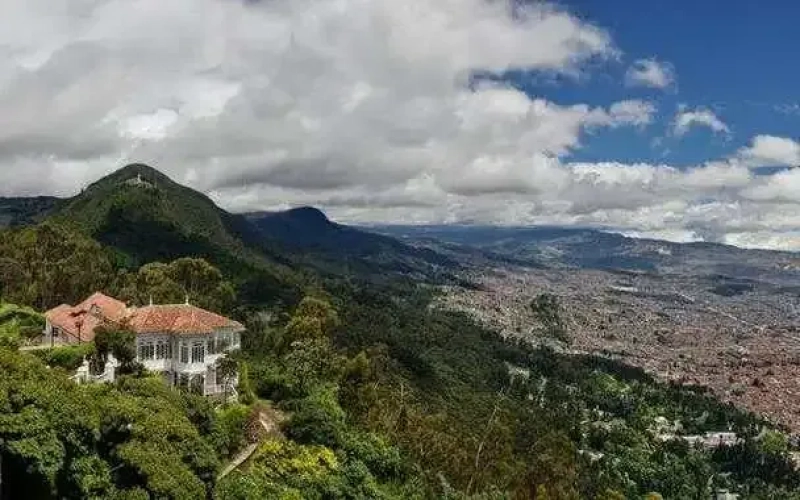
Colombia's Antioquia Coffee Region: From Historical Turbulence to the Rise of Specialty Chiroso
South America is an important coffee-producing region in the world. Colombia, with its three Cordillera mountain ranges and fertile volcanic soil, has become the world's third-largest coffee producer. Among its many producing regions, Antioquia stands out for both its output and quality. This article will begin with the ups and downs in Colombia's coffee history, trace the background of FNC's founding, and then focus on Antioquia's geographical advantages and La Palma estate, telling how the Echavarría family promoted the Chiroso variety and won 8th place with 89.39 points in Colombia's 2023 COE competition. Front Street Coffee will also combine the characteristics of the producing region to interpret for you its flavor potential and representative products. [more…]
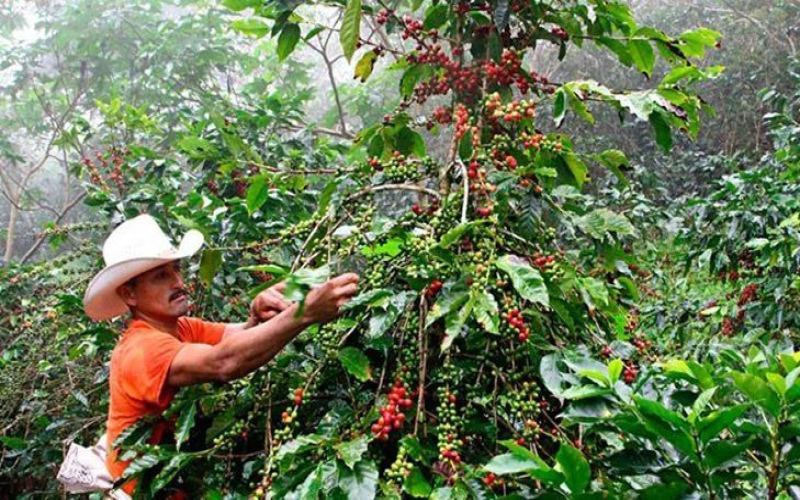
The Rise of the Honduran Coffee Industry and a Complete Guide to Front Street Honduran Coffee Beans: Pour-Over Parameters, Water Temperature, and Ratios
Honduras is an important coffee-producing country in Central America. Although it started late, it caught up quickly: by 2011 its output had surpassed Guatemala's, and today it ranks firmly among the world's top ten coffee producers. This article will provide a comprehensive overview of Honduran coffee from the perspectives of its historical development, producing regions, variety characteristics, grading standards, and processing methods. It will also combine the practical brewing experience of several Honduran coffee beans from Front Street Coffee to share pour-over parameters and water-temperature ratios in detail. Whether you want to understand the regional flavors of Honduran coffee or are looking for practical pour-over solutions, this article can provide valuable reference. [more…]
Exploring Panama's Hartmann Estate: From Forest Conservation to the Unique Flavors of Natural Geisha
Hacienda Hartmann is one of the oldest coffee farms in the Volcan region of Panama and a coffee family of distinguished reputation. Since old Hartmann established the estate in 1940, he has upheld a philosophy of respecting nature, preserving large areas of primary forest, and making the estate a model of cooperation for bird conservation and academic research. The estate is located in the Baru Volcano region, with fertile volcanic soil and a high-mountain microclimate, and grows many bean varieties; in recent years it has become even more active in planting Geisha. This article introduces the history and current situation of Hacienda Hartmann and the flavor characteristics of its natural-process Geisha coffee beans, taking you to appreciate the unique charm of this coffee from a champion-producing region. [more…]
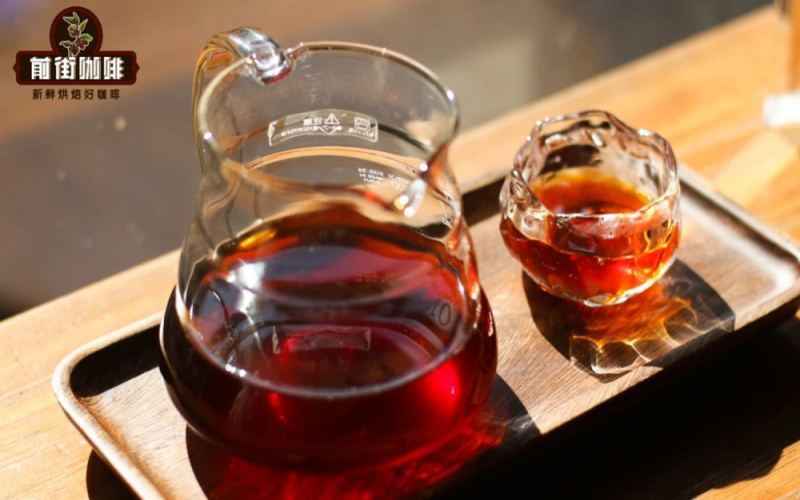
Honduras Coffee Regions, Grading, and Flavor Characteristics: Front Street Coffee's Selection of Sweet Orange Estate and Washed Caturra Introduction
Honduras, as an important coffee-producing country in Central America, was long classified as a "medium-quality blended coffee," but since hosting its first COE competition in 2004, its high-quality potential has gradually been recognized by the world. This article reviews Honduras's six major producing regions and emerging micro-regions, with a focus on two beans offered by Front Street Coffee—Sweet Orange Estate and Washed Caturra—covering origin information, cupping flavors, roasting curves, and brewing parameters, giving you a comprehensive understanding of this Central American producing country's coffee strength and unique charm. [more…]
An Analysis of Honduran Coffee Aroma Characteristics: From COE Champions to Sweet Orange Estate Specialty Beans Overview
As an important coffee-producing country in Central America, Honduras has long been labeled as a source of "average-quality blended coffee," but the inaugural COE competition in 2004 made the world re-examine the terroir potential of this land. From the perspective of Front Street, this article will review Honduras's six major producing regions and distinctive micro-regions, with a focus on specialty coffee beans from Sweet Orange Estate in La Paz Department in the southwest and Mocha Estate in the Marcala region, analyzing the source of their orange aroma and their cupping performance. It also includes Front Street's roasting curve and brewing parameters for washed Caturra, providing coffee enthusiasts with a complete reference from understanding producing regions to hands-on brewing. [more…]
A Comprehensive Analysis of Honduran Caturra Coffee Beans: Flavor, Processing Methods, Grind Settings, and Variety
Honduras, as an important coffee-producing country in Central America, has seen its production and quality steadily rise in recent years. This article focuses on Front Street Honduras Caturra coffee beans, outlining their growing regions, varietal composition, grading standards, flavor characteristics, and suitable roasting methods, while also introducing practical information such as processing methods and grind settings. The article also covers the geographical conditions, cultivation scale, and harvesting and processing methods of Honduran coffee, helping coffee enthusiasts gain a more comprehensive understanding of this seemingly obscure yet impressively capable origin, as well as its performance in single-origin and blended coffees. [more…]
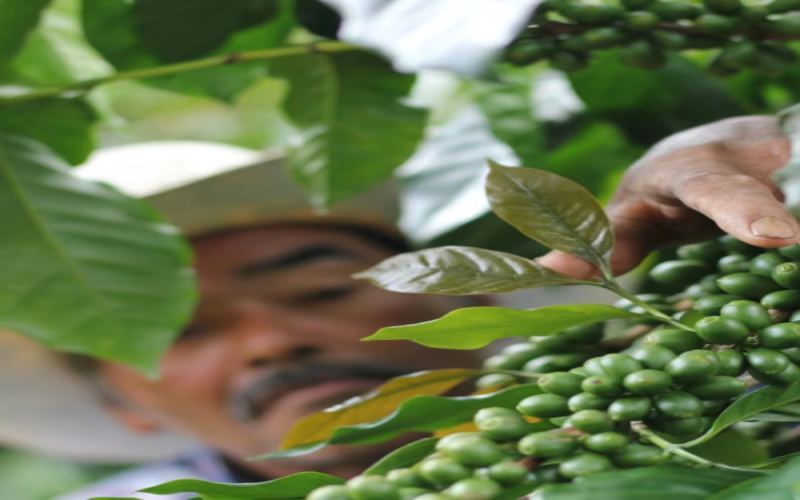
Honduras Sweet Orange Estate Caturra Washed Beans: Flavor Profile, Processing Method, and Brewing Parameters Explained
Honduran coffee is known for its high sweetness and citrus notes, and El Naranjo is one such bean worth savoring. The estate is located in Marcala in the La Paz region, with wild orange trees as shade trees, infusing the coffee with rich floral and fruity aromas. This article focuses on Front Street Coffee's Caturra washed bean, covering the estate background, variety characteristics, washed processing flow, roasting curve, cupping report, and V60 brewing parameters, fully presenting its flavor performance and brewing approach. It is suitable for enthusiasts who want to gain a deeper understanding of Honduran coffee or are looking for an everyday staple bean. [more…]
2012 Global Specialty Coffee Green Bean Competition Top 10 List: Ethiopian and Colombian Geisha Shine
The Specialty Coffee Association of America's Roasters Guild hosted the 2012 Coffee of the Year (COTY) green coffee competition, bringing together 250 green coffees from 26 countries to compete on the same stage, ultimately selecting ten specialty coffees representing the highest standard of the year. Judges conducted blind tastings and scoring across six dimensions—dry fragrance, wet aroma, mouthfeel, flavor, aftertaste, and body—with Ethiopian and Colombian Geisha emerging as the biggest winners. This article will present the complete detailed data of this top ten list and interpret the outstanding performance of various regions and varieties, providing coffee enthusiasts with a professional reference. Front Street Coffee will also combine the list to recommend specialty beans worth paying attention to. [more…]

Peruvian Volcanic Eruption Compounded by Mercury Pollution, Alarm Bells Ring for Coffee Growing Environment
Peru, a South American coffee-producing country, has recently been hit by a series of natural disasters and environmental crises. The Sabancaya volcano in the south has entered an orange alert level, and ash from frequent eruptions is severely affecting nearby farms and pastures; meanwhile, the provinces of Huancavelica and Cusco have been declared in a state of environmental emergency due to heavy metal mercury contamination. Both regions have coffee cultivation, and mercury contamination not only inhibits crop growth and reduces agricultural product quality, but may also trigger labor shortages. The Peruvian government has already launched response measures, but concerns within the industry about coffee production and quality are rising. [more…]
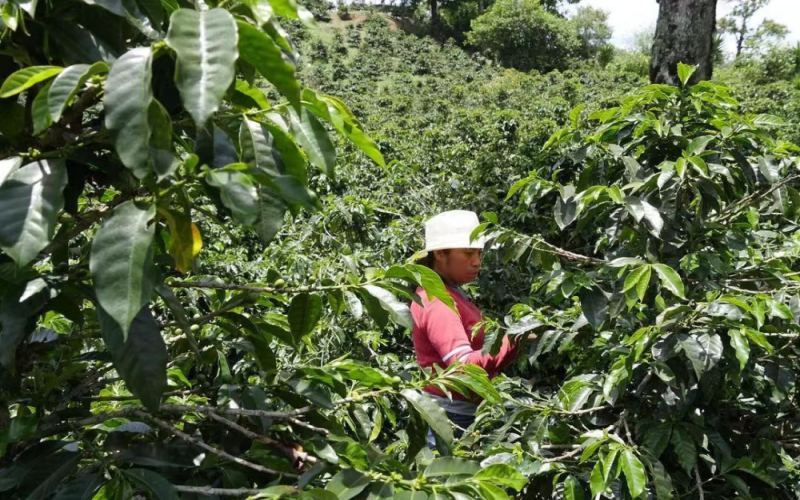
Honduras Cigua SHB Specialty Coffee Beans Flavor Profile and Origin Story: Medium-Dark Roast French Press Brewing Guide
Honduras is located in Central and North America, with a mountainous terrain, and its coffee-growing conditions are no less favorable than those of Guatemala and Nicaragua. Today, it is one of the world's top ten coffee-exporting countries. This article provides a systematic introduction to Honduran coffee as a whole, covering the producing environment, the distribution of six major producing regions, and the washed processing flow, and focuses on sharing the estate background, grade information, and cupping performance of Front Street Honduras Xigua RFA EP coffee beans. At the same time, Front Street Coffee brings the French press brewing parameters and operating suggestions for this bean, helping coffee lovers easily recreate at home a balanced flavor profile with chocolate notes and a lasting caramel sweetness. [more…]
Is Honduran coffee good? A comprehensive analysis of producing regions, grading, varieties, and balanced flavor
Honduras is a mountainous country in northern Central America and one of the world's top ten coffee exporters, harvesting about three million bags of coffee each year. Its coffee originated from El Salvador and only truly rose to prominence after the Brazilian frost of 1975. Honduras has six major coffee-producing regions, with cultivation mostly at altitudes above 1,100 meters. Arabica is the dominant variety, graded into HG High Grown, SHG Strictly High Grown, and CS. Its overall flavor is known for balance, with neither acidity nor bitterness being too assertive. It has a medium-to-light acidity, along with slight bitterness and a distinct sweet aftertaste, occasionally showing floral or fruity notes. Front Street Coffee's espresso blend uses 70% Front Street Honduras Sherry coffee beans, which perform well both in espresso and as a single-origin brew. [more…]
A Comprehensive Guide to Honduran Coffee Regions: Barrel-Fermented Flavors, Six Major Regions, and Moka Estate's Sherry and Lychee Orchid
Although Honduras is not as renowned as Ethiopia, it has carved out a place for itself in the specialty coffee world with its distinctive barrel-aged processing method. Sherry and Litchi Orchid, these two beans carrying the aromas of whiskey and brandy, come precisely from the Moka Estate in Marcala, Honduras. This article will give you a comprehensive understanding of Honduras's geography and climate, the distribution of its six major coffee regions, its main coffee varieties, as well as the flavor characteristics and brewing parameters of the two barrel-fermented beans recommended by Front Street Coffee, allowing you to grasp the charm of this Central American coffee-producing country in one go. [more…]
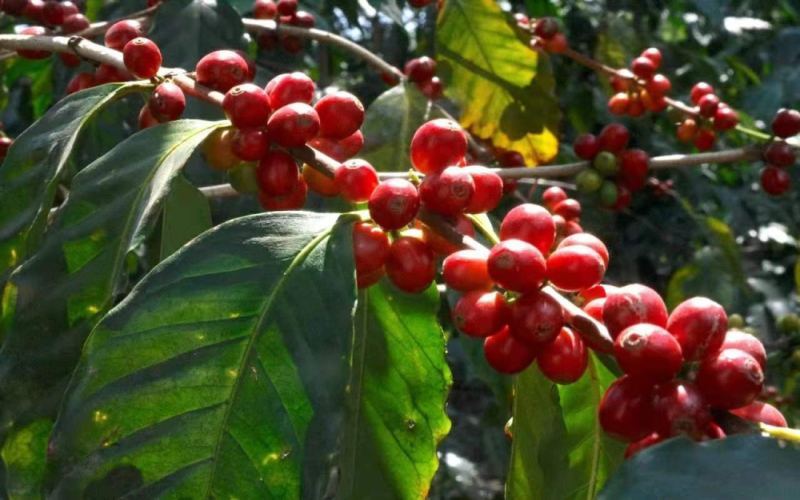
Complete Guide to Honduran Coffee: Six Major Regions, Main Varieties, and Barrel-Fermented Flavor Characteristics
Although Honduras is not as renowned as Ethiopia, it stands out in the specialty coffee world with its unique barrel-fermented processing method. Sherry coffee and Lychee Orchid coffee are prime examples, where the aromas of whiskey and brandy intertwine with the sweet notes of fruit and cream, leaving an unforgettable impression. More than three-quarters of Honduras is mountainous highlands, located in the coffee-growing belt with abundant annual rainfall, providing superior natural conditions for coffee. This article systematically reviews the terroir characteristics and flavor differences of Honduras's six major regions—Copán, Opalaca, Montecillos, Comayagua, Agalta, and El Paraíso—and introduces the main cultivated varieties such as Caturra, Catuai, and Pacas, as well as Front Street Coffee's brewing suggestions and flavor descriptions for two barrel-fermented beans from Mocha Estate, offering a comprehensive understanding of the unique charm of this Central American coffee-producing country. [more…]

A Complete Guide to Honduran Coffee Regions: Terroir Characteristics of Six Major Areas and the Flavor of Front Street Coffee's Sherry Barrel-Aged Beans
Honduras is located in northern Central America, with eighty percent of its terrain being mountainous. Its mild climate and abundant rainfall create an ideal environment for coffee cultivation. In 2020, the country's total coffee production ranked sixth in the world, and its Arabica production ranked second globally. Since the establishment of the Honduran Coffee Institute in 1970, the country has been divided into six major producing regions: Copán, Opalaca, Montecillos, Comayagua, Agalta, and El Paraíso, each with its own terroir and character. This article will introduce the altitude, location, and characteristics of these producing regions one by one, and focus on a Marcala Mocha estate Sherry coffee bean that Front Street Coffee has sourced, analyzing its whisky sherry wine barrel fermentation process and the unique cup flavors it creates. [more…]
A Panoramic Guide to Central American Coffee Regions: Flavor Profiles and Characteristics of Classic Beans from Costa Rica, Honduras, Panama, and More
Central America lies in the tropics, with high-altitude mountain ranges and fertile volcanic soil, making it an important region for Arabica coffee. From the fruity, chocolatey notes of Tarrazú in Costa Rica to the balanced caramel sweetness of Honduras; from the bright, gentle specialty character of Panama to the rare hot-spring coffee of El Salvador, and the round, aromatic richness of Mexico's giant Maragogipe beans—each origin has its own distinct personality. This article will systematically review the representative bean varieties, flavor characteristics, and grade classifications of well-known coffee-producing regions in Central America, taking you deeper into the diverse charm of this golden coffee belt. [more…]